OpenCampus
OpenCampus
OpenCampus is an open-source, self-hosted platform for managing university scheduling, academic structure, and student attendance.
The system is designed as a modular monolith built with Go and PostgreSQL, prioritising reliability, clear architecture, and straightforward deployment in institutional environments.
Documentation
See docs/README.md for the full documentation index.
Overview
You can read README as a webpage (recommended).
Universities often rely on fragmented or legacy systems for timetable management and attendance tracking. OpenCampus provides a modern, extensible alternative that institutions can host on their own infrastructure.
The platform aims to:
- Centralise academic scheduling
- Track and report attendance
- Manage course structure and enrollment
- Provide role-based access control
- Remain lightweight and easy to deploy
Key Features
- Course and timetable management
- Student enrollment tracking
- Attendance recording and reporting
- Role-based access control (RBAC-ready)
- Administrative reporting
- Self-hosted deployment
Planned:
- LDAP / SSO integration
- Multi-tenant support
- Automated scheduling conflict detection
General context
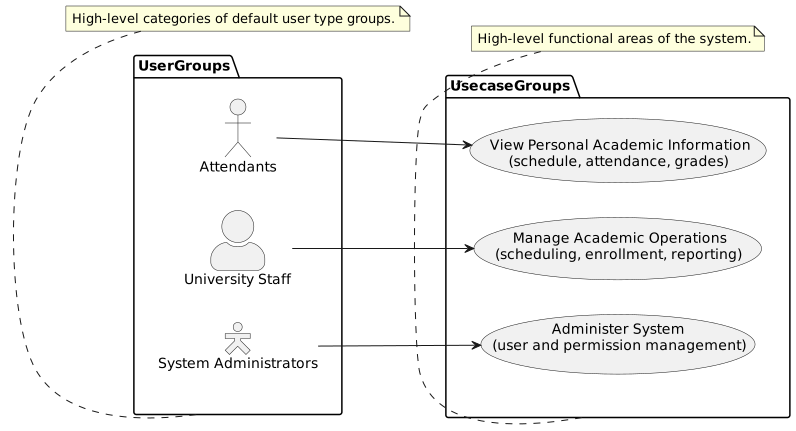
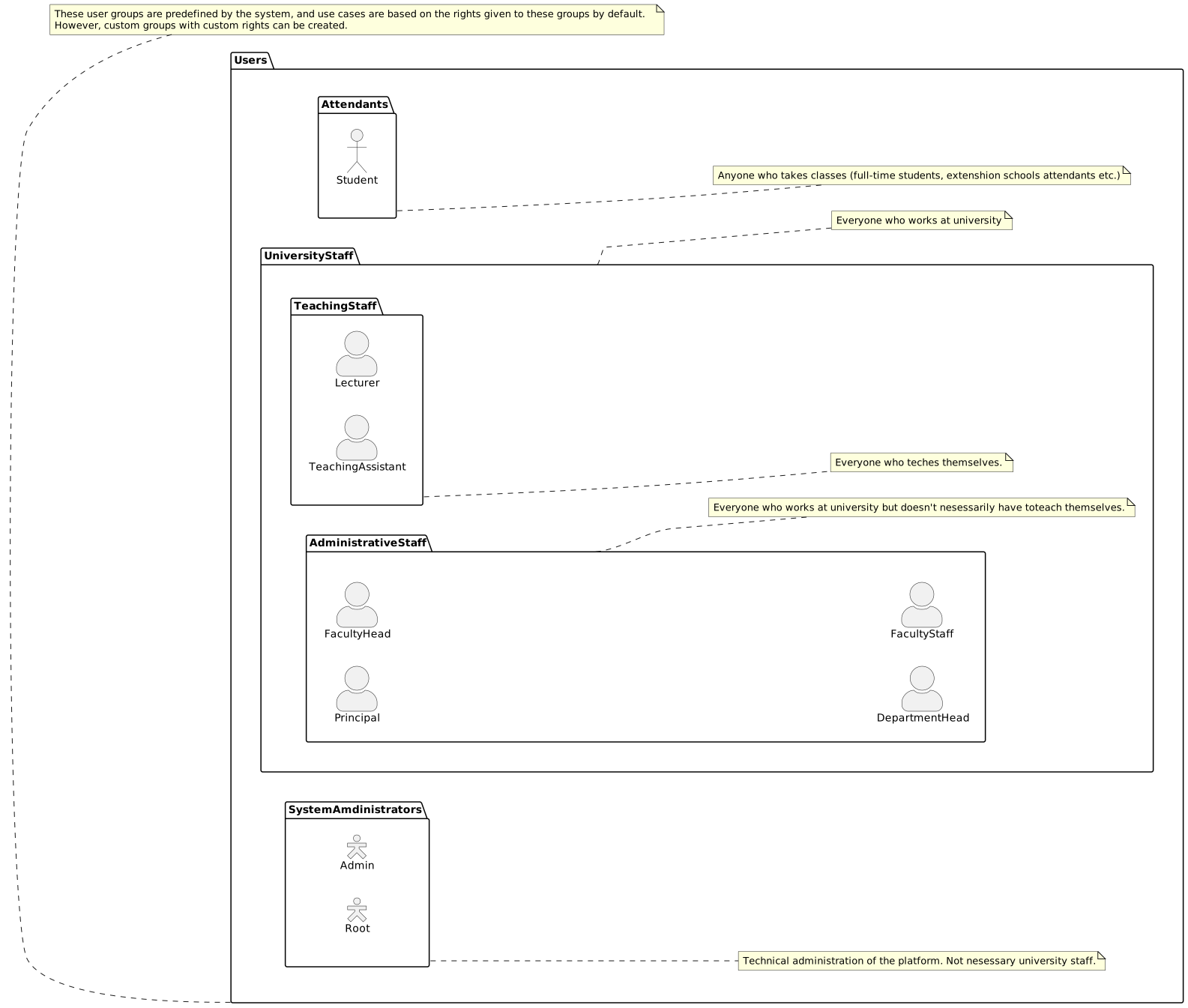
User groups
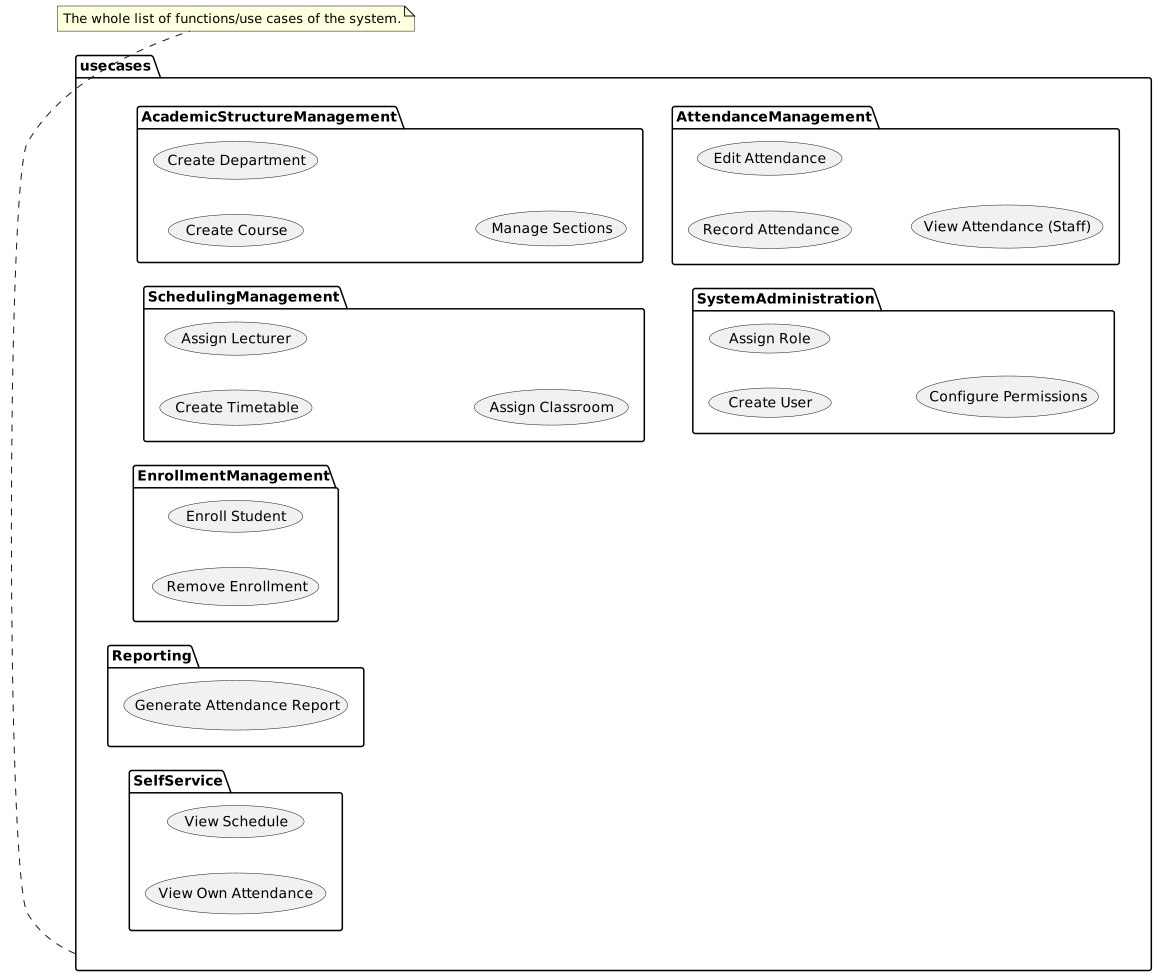
Use cases
System Components
- Core API — Go-based backend service implementing business logic
- Database — PostgreSQL primary data store
- Web Interface — Browser-based UI (in development)
- Deployment — Containerised using Docker
Architecture
Additional design diagrams are available in:
docs/diagrams/
Including:
- System context
- Actor hierarchy
- Scheduling use cases
- Attendance use cases
- Administration use cases
- Domain model
Repository Structure
services/
  api/
    cmd/                Application entrypoints
    internal/           Business logic and modules

db/
  migrations/           Database schema evolution
  schema/               Base schema definitions
  seed/                 Development seed data

web/                    Frontend application (planned)

docs/
  uml/                  PlantUML source files
  diagrams/             Rendered diagrams

deploy/
  docker-compose.yml    Local deployment configuration
Technology Stack
- Backend: Go (Golang)
- Database: PostgreSQL
- Frontend: Planned (React)
- Containerisation: Docker
Development Requirements
- Go (latest stable version recommended)
- Docker and Docker Compose
- PostgreSQL (if running without containers)
Getting Started (Planned)
Initial setup instructions will be provided with the first MVP release.
Planned workflow:
git clone <repository>
cd opencampus
docker compose up
Database
PostgreSQL is used as the primary relational data store.
Schema management will be handled through versioned migrations located in:
db/migrations/
Roadmap
Near Term:
- Core scheduling functionality
- Attendance recording workflow
- Basic administrative interface
Mid Term:
- Reporting dashboard
- RBAC configuration UI
- API stability
Long Term:
- Multi-tenant support
- External integrations
- High-availability deployment
Documentation
Architecture and system design documentation:
docs/
Includes UML diagrams and domain modelling artifacts.
Contributing
Contributions, bug reports, and feature proposals are welcome.
Contribution guidelines and development workflow will be documented as the project reaches MVP maturity.
Security
Security issues should be reported privately to the maintainers.
A formal security policy will be added prior to production deployments.
License
License will be specified before the first stable release.